
The Protocol That Made Some Patients Say No to Surgery
I want to tell you about a patient I'll call Thomas. He was 44 years old, BMI of 38, and had been referred to our bariatric center by his physician after failing every conventional weight loss approach for a decade. He qualified for sleeve gastrectomy on paper. But before we scheduled the procedure, our protocol required a six-week preparation phase that included a GLP-1 support regimen — designed to reduce liver size, improve satiety signalling, and prepare the metabolic environment for the changes surgery would produce.
Thomas never had the surgery. At his six-week pre-operative assessment, he had lost 23 pounds and his hunger had changed so dramatically that he and his referring physician decided to continue the non-surgical approach. At his three-month follow-up he was down 41 pounds. At twelve months, he had lost 78 pounds and maintained every pound of it.
Thomas was not a typical case. But he was not an isolated one either. In my seven years at the clinic, I watched patients in the pre-operative protocol repeatedly produce results that surprised everyone — including themselves. The mechanism wasn't mysterious. It was GLP-1.
Why Bariatric Surgery Works — And What That Reveals About GLP-1
One of the most interesting findings in obesity medicine over the past two decades is the realisation that bariatric surgery doesn't primarily work by restricting how much food the stomach can hold. That was the original theory. The actual mechanism, researchers found, is hormonal. Specifically: surgery dramatically increases GLP-1 production.
When the anatomy of the upper GI tract changes through surgery, the proportion of food that reaches the lower small intestine — where GLP-1-producing L-cells are concentrated — increases significantly and more rapidly. The result is a GLP-1 surge after meals that was never present before the procedure. Hunger becomes manageable. Satiety arrives on schedule. And the brain stops fighting the body's attempts to lose weight.
"When we understood that surgery's metabolic benefits come largely from increased GLP-1 signalling, the natural question was obvious: what if we could achieve the same hormonal change without the procedure? That question is what drove the development of advanced GLP-1 support protocols — and what eventually made it into formulas like LeanPeak."
This is the insight that has reshaped obesity medicine over the past decade. The pharmaceutical drugs that followed — semaglutide, tirzepatide — were direct attempts to pharmacologically replicate what surgery was doing hormonally. The natural supplement category that followed is attempting to do the same thing through botanical and nutritional compounds that support endogenous GLP-1 production and receptor sensitivity.

The discovery that bariatric surgery works primarily through GLP-1 signalling — not mechanical restriction — opened the door to non-surgical approaches that target the same pathway.
A 2023 review published in the Journal of Metabolic Surgery found that GLP-1 levels increase 10–20 fold after Roux-en-Y gastric bypass surgery. Researchers concluded that GLP-1 hypersecretion "appears to be the primary mechanism" behind both the glycaemic improvement and sustained weight loss observed in surgical patients — more significant than any mechanical restriction effect.
LeanPeak: Non-Surgical GLP-1 Support
LeanPeak was developed around the same core principle that pre-operative bariatric protocols had demonstrated: that meaningful GLP-1 pathway support, sustained consistently over weeks and months, produces metabolic changes that look nothing like conventional dieting. The formula combines several well-researched compounds that operate at different points in the gut-to-brain satiety cascade.
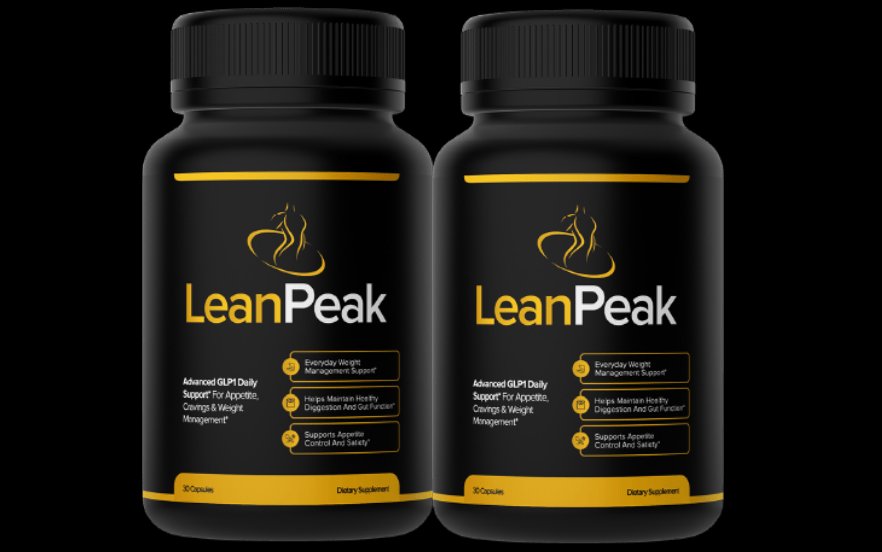
- Everyday Weight Management Support†
- Helps Maintain Healthy Digestion and Gut Function†
- Supports Appetite Control and Satiety†
- Advanced GLP-1 Daily Support for Appetite, Cravings & Weight Management†
- 30 Capsules · Dietary Supplement · Made in the USA
The Active Compound Framework

The compounds in LeanPeak are selected for specific mechanisms in the GLP-1 and metabolic pathway — not for marketing optics.

"The shift in how we understand bariatric surgery — from a mechanical intervention to a hormonal one — has fundamentally changed how we approach patients who aren't surgical candidates. Supporting GLP-1 signalling through non-surgical means is no longer a fringe concept. It's the direction the evidence is pointing."
What Customers Experience
"My bariatric surgeon actually mentioned GLP-1 supplements before my consultation. I wasn't a surgical candidate because of a heart condition. He said to try this category first. Eight months later I've lost 47 pounds and the surgery question is off the table."
"I found this article after looking up what GLP-1 was. The mechanism description exactly matched what I'd been experiencing — a hunger that simply couldn't be dieted away. Six weeks in, LeanPeak changed that. Down 21 pounds."
"As a registered dietitian, I was sceptical but intrigued by the bariatric mechanism described here. I tested it personally and with two willing clients. All three of us experienced the same thing: quieter, more manageable hunger within three to four weeks."
"I'd been on the surgical waiting list for two years when I found this. My consultation got pushed and I started LeanPeak to keep myself going. By the time my consultation came around I'd lost 55 pounds. The surgeon said to keep doing what I was doing."
Individual results vary. Testimonials reflect personal experiences and are not guarantees of identical outcomes. † These statements have not been evaluated by the FDA.
ClinicalNutrition Today earns affiliate commissions when readers purchase LeanPeak through links on this page. This does not affect editorial content. The clinical observations described in this article reflect the author's genuine professional experience. All product claims are those of the manufacturer. Individual results vary.
† FDA Disclaimer: These statements have not been evaluated by the Food and Drug Administration. LeanPeak is a dietary supplement and is not intended to diagnose, treat, cure, or prevent any disease or health condition.
Editorial Disclosure: ClinicalNutrition Today is an independent editorial and affiliate website. This page contains affiliate links through which we may earn commissions on qualifying purchases. Affiliate relationships do not influence editorial content.
Health & Medical Disclaimer: Content on this website is for general informational and educational purposes only. Nothing here constitutes medical advice, diagnosis, or treatment. Always consult a licensed healthcare provider before starting any dietary supplement, especially if you have medical conditions or take medications.
Results Disclaimer: Patient stories and testimonials reflect individual experiences. They do not represent typical or guaranteed outcomes. Individual results depend on many factors including health status, diet, exercise, and adherence.
Affiliate Link Disclosure (FTC 16 CFR Part 255): This page contains affiliate links. Purchases made through these links may result in commissions to ClinicalNutrition Today at no additional cost to you.
ClickBank Disclaimer: ClickBank is the retailer of this product. ClickBank's role as retailer does not constitute endorsement of this product or any claim made in its promotion.